 Subscribe To This Site


|
Monosodium Glutamate or MSGBy Mirella Levin
Monosodium Glutamate is produced from the fermentation of carbohydrates by using bacteria or yeast and takes the form of white crystalline powder (when pure). However, when it is mixed with water or saliva it will dissociate to form glutamate anions and sodium cations. Monosodium Glutamate is most commonly found in food items such as common snack foods (i.e. flavored chips, sauces and condiments, pre-prepared foods etc and other flavored items) and many Chinese foods. Symptoms and Risk FactorsIt is uncertain as to whether Monosodium Glutamate is bad for your health or not in the long term. However research has been done to show that for some, short term health issues arise after having consumed quantities of the compound commonly found in food. These symptoms are usually mild and do not cause any long term health problems. The symptoms include:
(Source: Mayo Clinic's Pages on Monosodium Glutamate - See:-http://mayoclinic.com/health/monosodium-glutamate/AN01251) A Widely Researched SubstanceDue to the controversy about the safety of monosodium glutimate, it has become one of the most researched elements in the food industry. No permanent health problems have been associated with Monosodium Glutamate but some people still have allergic-like reactions to it. Because of this, by law, the substance must be labeled on food packages, either as MSG or Monosodium glutamate. Many food packages with labels such as “No MSG” are not entirely reliable because monosodium glutimate can occur naturally in some foods. It is possible to limit the amount of monosodium glutimate one ingest in many ways; firstly, examining the labels on food packages. Monosodium Glutamate will be clearly labeled and therefore we can determine how much of the substance exists in various foods. Secondly, is to use it only when it really will enhance flavor. It will not enhance flavor when use in some foods such as baked goods, fruits, milk or butter so therefore should not be used with such ingredients. However, it is often used for dishes containing meat or vegetables and in this case; it is recommended that we use no more than 5ml of this substance per kilogram of food being prepared. Lastly, many prepackaged foods already contain Monosodium Glutamate, so adding even more of the substance should be avoided. A Precautionary MeasureIn conclusion, the best way to maintain low levels of this substance is to limit the amount ingested. This is mainly done by avoiding foods that have this sodium salt added to them, especially prepackaged foods. However, it is not a substance that will cause permanent health problems and therefore, one can indulge on foods that have added MSG, once in a while. TOP of MSG
|
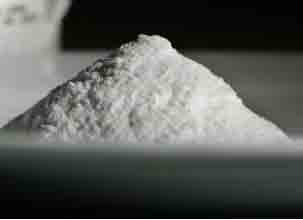 Monosodium Glutamate or MSG is a chemical compound that is derived from a naturally occurring amino acid known as glutamic acid. This sodium salt is one of the many additives found in that is used to improve flavor. Monosodium Glutamate is naturally produced in your body but it is now being used in foods. The levels produced in one’s body are not harmful and are actually beneficial. However, the levels added into foods and then ingested can become a problem due to exceedingly high levels of this substance being stored in the body.
 Translate this Site
Search This Site
Loading

Subscribe to E-Zine
Support this Site
|
Holiday SpecialsFor Holiday Specials at Amazon, Click Here
|
| |||||