 Subscribe To This Site


|
Belly Fat a Problem:?age-well.org > weight loss tips > belly fat How to lose Belly Fat or Middle-age Spread
If you have a problem with middle age spread, that annoying belly fat around your waist which is so difficult to get rid of, you possibly already know that this type of fat is not just unsightly, but makes you more susceptible to various age-related diseases. These include diabetes, blood pressure heart disease, stroke and certain cancers, according to Dr. Marilyn Glenville, the well-known specialist on women’s health, amongst other things, and the author of the book"Fat Around the Middle". Acknowledging that this belly fat is difficult to budge, Dr. Glenville has devised a simple lifestyle plan that helps you to get rid of those bulges. “ Short term, you get to look better. Long term? You live longer. It’s as simple as that,” she states. Table of Contents This Page Page 6 Stress and Cortisol LevelsThe aim is to change your body’s underlying biochemistry so that it gets the message that it is OK to let go of the fat around the middle of your body. According to Dr. Glenville, this belly fat is due to the stress hormone, Cortisol, which was useful millions of years ago when our bodies were designed to react quickly to danger, Like many animals when threatened, if your brain thinks your life is in danger, it stimulates the release of adrenaline and cortisol. This is so you can run for your life or stand your ground and fight. The chronic stress of today’s world triggers this mechanism continually, but unless there is a real threat to life, there is no natural release like fighting or fleeing would provide. All that extra energy, in the form of fat and glucose is then deposited as fat around the waist. To make matters worse, if your life is very stressful, cortisol levels remain almost constantly present in the blood, effectively increasing your appetite, which was the ancestral trigger to refuel after the flight, or flight had depleted your energy reserves. This means people under constant stress tend to feel constantly hungry, and their bodies urge them to stock up on the foods it thinks will be most useful – carbohydrates (like sugar) and fats. It’s just the sort of high-sugar, high-fat comfort and convenience food many people crave explains Dr. Glenville in her book. The best thing you can do to reduce cortisol levels is to eat little and often, which is the first advice which is given to anyone with type 2 diabetes or even higher than usual blood suger. You should ideally eat every three hours and not eat any carbohydrates in the evening. This will curb your need for sweet foods because your body won't be continually craving a quick fix. Other tips for reducing cortisal levels are included in the page 2 of this section. The fat around the middle connectionNot only will the cortisol provoked glucose and fat be deposited round the middle, the sugary or fatty food you consumed as part of the post stress appetite surges will also end up as belly fat. Why there you may ask instead of somewhere you might prefer to have a bit of extra padding? The reason the middle of your body is targeted is because this is close to the liver, so that it can be quickly be re-converted back into energy if needed. It remains there to provide the body with protection, ready for the next stress attack. This is an ancestral survival process that unfortunately has adverse effects in our modern world. If you can see yourself in any of the symptoms in the list below, according to Dr Glenville, your cortisol levels are likely to be high:
Find out if you have too much Fat Around The Middle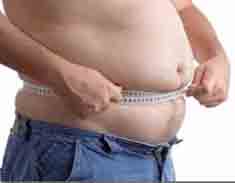
To find out if you have too much belly fat, the BMI (body mass index) mentioned on this site is not the best measurement. Rather measure your waist at the narrowest part and your hips at the widest part, and then divide your waist figure by your hip figure to get what is known as your waist–hip ratio. For example: 86cm (34in) waist divided by 94cm (37in) hip = 0.9 If your calculation gives a figure greater than 0.8 you are officially apple shaped and you need to take action. For men the danger zone is above 0.95. The menopause complicates the problem because fat is a manufacturing plant for oestrogen which will help protect your bones. Therefore, your body wishes to hold on to the fat in order to protect you from developing osteoporosis. This explains why diet and exercise alone will rarely shift those stubborn roles of belly fat. The combined effect of female hormonal changes, slower metabolism and stress with high cortisol levels create a bigger likelihood of fat around the middle. Why tummy fat is bad for youThis “toxic fat” increases the risk of the diseases mentioned above. Additionally, one of the biggest problems it causes is insulin resistance. When blood sugar increases, your body releases insulin to help move the glucose out of your blood and into the cells to actually provide them with energy. But if you don’t need that energy (you don’t fight or flee) the default mechanism is to store the glucose as fat. If the stress continues (it usually does) cortisol levels remain high, so the body triggers the breakdown of sugar stores in the liver and muscles to provide further fuel. Out comes more insulin to deal with the extra blood glucose. Over time, the body simply can’t respond to insulin the same way it used to. You can become intolerant to insulin – or insulin resistant. So what can you do to get rid of belly fat?Dr. Glenville has devised a four-pronged approach to getting rid of this dangerous and unsightly fat. It comprises simple changes to the way you eat, exercise, approach stress and take supplements. Following her recommendations closely for three months will bring about significant changes to your body shape, and as a consequence, will dramatically improve your long-term health, promises Dr. Glenville.
8 Tips to Lose that Stubborn Belly Fat Weight Loss ResourcesSome Well Known Diets and Their Pros and ConsAlthough one of our weight loss tips was not to crash diet, a diet which aims to gradually change your eating habits can be a great way to lose weight as one element in making lifestyle changes in order to age well.Reviews of Diets and Weight Loss Products Get the low-down on Weight Loss Diets and Weight Loss Products and add your own information about diets and products here. Other Weight Loss ResourcesThe DASH DietThe Raw Food DietWeight Conversion Chart Watch Your Weight Belly Fat Eight Strategies for Losing Bellyfat Other WebsitesHere's how to lose belly fat and get fast weight loss in just 14 days eating very healthy food.Find out how to lose belly fat during the menopause.
age-well.org > weight loss tips > belly fat Top of Belly Fat |
Translate this Page
Search this Site
| search engine by freefind | advanced |
Follow Us On Twitter


Develop Smart Habits
|
Lose Extra Weight
|
|
Lose Bellyfat
|
|
Quit Smoking
|
|
Reduce Alcohol
|
|
Get Enough Sleep
|
|
Eat Healthily
|
|
Cut Down on Salt
|
|
Cut down on sugar
|
|
Avoid Transfats
|
|
Follow the DASH Diet
|
|
Drink Plenty of Water
|
|
Exercise Regularly
|
|
Manage Stress
|
|
Get Your 5 a Day
|
| Eat a Healthy Breakfast
|
|
Get Enough Calcium
|
|
Think Positive
|
Prevent Age-Related Diseases
|
Alcoholic Liver
|
|
Alzheimers Disease
|
|
Arterioslerosis
|
|
Age-Related Cancer
|
|
Cataracts
|
|
Cholesterol
|
|
Depression
|
|
Diabetes
|
|
Dementia
|
|
Dry Eye
|
|
Enlarged Prostate
|
|
Fibromyalgia
|
|
Glaucoma
|
|
Hair Loss
|
| Herniated Diac
|
|
High Blood Pressure
|
|
Incontinence
|
|
Lower Back Pain
|
|
Macular Degeneration
|
|
Menopause
|
|
Osteoarthritis
|
Osteoporosis
|
|
Parkinson's Disease
|
|
Peri-Menopause
|
|
Stroke
|
|
Shingles
|
|
Swineflu
|